Backing your contractual performance commitments
Institutional guarantees issued to project owners to verify that your business will fully execute its contractual obligations, bidding terms, and statutory requirements.
Coverage
Guarantees to project developers that construction works or corporate services will be completed in strict accordance with contract terms.
Validates that your firm will enter into the contract and provide the necessary final bonds if awarded a commercial tender.
Secures upfront mobilization funds advanced by a developer, ensuring the capital is used exclusively for the designated project.
High-standing financial guarantees accepted by statutory boards and major corporate clients in place of tied-up cash deposits.
The cover
A surety bond is a guarantee issued by an insurer to a project owner, government agency or customs authority that a business will meet an obligation: finish the works, honour a tender, use an advance correctly, or pay duty. Singapore contractors, subcontractors, M&E firms, facility managers and traders buy bonds because the contract or the law demands security: PSSCOC public-sector contracts call for a deposit or a bank or insurer guarantee, MOM requires a S$5,000 security bond for each non-Malaysian Work Permit holder, and Singapore Customs accepts an insurance bond for suspended duty.
A bond is not insurance for the contractor. If the beneficiary calls it, the insurer pays and then recovers from the contractor under a counter-indemnity signed at the outset. Bonds are issued one at a time or under an annual facility with an aggregate limit, at a rate on the bond amount for its term, with performance bonds usually at 5% to 10% of the contract sum. The broker arranges the facility, negotiates the bond wording with the beneficiary, and manages calls and releases.
Who buys it
What the insurer needs to quote
Price and terms
At renewal
Questions
Both are accepted by Singapore government agencies, which ask for a bond from a bank or insurance company registered with MAS. A bank guarantee uses the company's credit line and is often secured by cash. A surety bond is issued by an insurer against a counter-indemnity, so it leaves bank lines and working capital free. Allianz Trade describes bonding as releasing bank working capital facilities and reducing security requirements.
Typically 5% to 10% of the contract sum, as Tokio Marine Singapore states for its performance bond. PSSCOC 2020 clause 4.5 requires a security deposit of the amount in the contract appendix, or a bank or insurer guarantee in lieu; in SH Design & Build v Jurong Port [2026] SGHC 159 the figure was 10%. The bond usually runs to the end of the defects liability period.
An on-demand bond pays on the beneficiary's written demand; the insurer does not ask whether the contractor is in breach. A conditional bond pays only on proof of breach and loss. In AXA Insurance v Chiu Teng Construction [2021] SGCA 62 the Court of Appeal dealt with a conditional bond issued by an insurer and held a court judgment or admission was not needed before a valid call. The wording decides which type you hold.
Yes. MOM requires a S$5,000 security bond for each non-Malaysian Work Permit holder, bought from any bank or insurance company before the worker arrives; the worker cannot be asked to pay for it. The bond is forfeited if the employer or worker breaches Work Permit conditions, and discharged about one week after the worker leaves Singapore if the permit is cancelled and no breach occurred.
Yes. Customs accepts a Banker's Guarantee, a Finance Company Guarantee or an Insurance Bond, lodged electronically through eGuarantee@Gov since 1 October 2023 with a minimum validity of 15 months. The amount depends on the movement: 50% of potential duty for liquor and tobacco entering a licensed warehouse, for example. No security is needed when the amount would be S$2,000 or less.
The beneficiary serves a written demand within the bond's terms. The insurer pays within the period the bond states, then claims the amount from the contractor under the counter-indemnity. The contractor can apply to court to restrain the call, but Singapore courts grant that only for fraud or unconscionability, or where the demand fails the bond's own conditions, as in SH Design & Build v Jurong Port, where an invalid superintending officer's decision defeated the call.
Sources: MOM: security bond for Work Permit holders, Singapore Customs: how to lodge security, BCA: Public Sector Standard Conditions of Contract, SH Design & Build v Jurong Port [2026] SGHC 159
Deep domain expertise
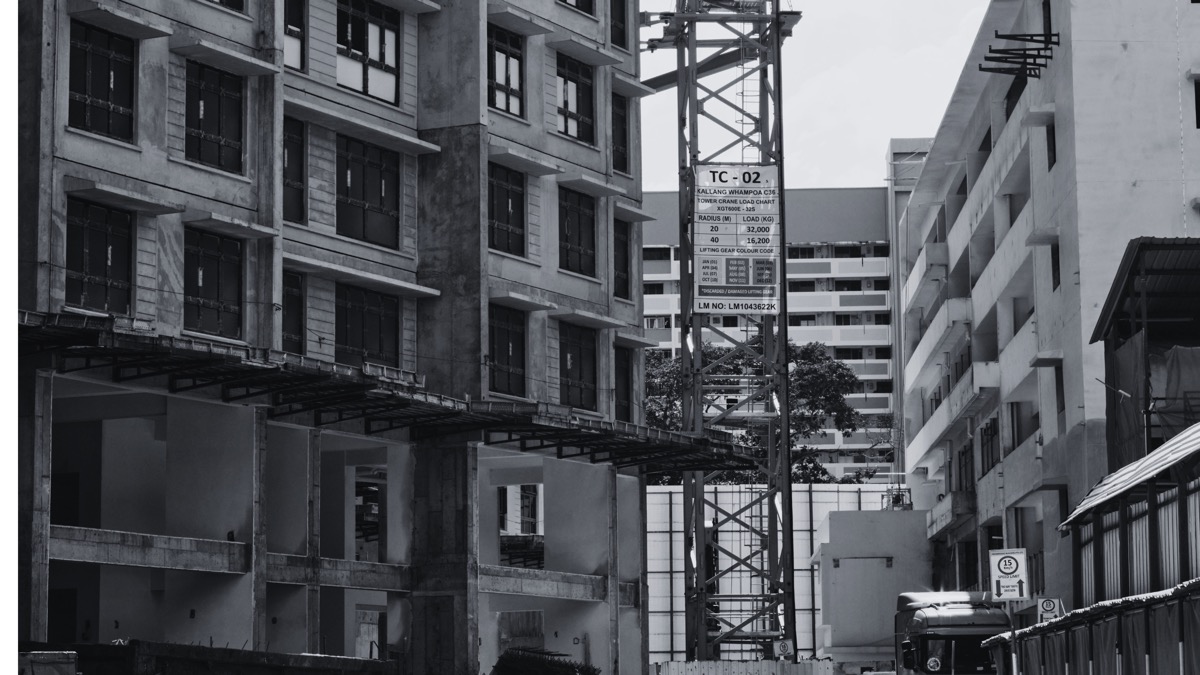
Built environmentWin tenders with the right cover in hand, protect every project from groundbreaking to handover, and keep workers compliant.See more →
Energy and chemicalsSecure capacity for high-consequence sites, contain environmental liability, and keep income insured through every shutdown.See more →How TRS places it
A named broker reads the current policy against how the business runs today and lists the gaps.
TRS takes the risk to the insurers with appetite for it and sets the quotes side by side: premium, deductibles, exclusions.
The same team handles mid-term changes, renewals and the claim, from first notice to settlement.
Trade credit and bonds
Next step
A broker reads your current schedule against your operations and replies within two working days.