Is public liability insurance compulsory in Singapore?
No law makes it compulsory. Work Injury Compensation insurance is compulsory for employees; public liability is not. Most purchases are driven by a contract: a lease, a tender, a mall operator's fit-out rules or a client's vendor terms. If a lease or tender states a minimum limit, the business must hold it before the keys or the site are handed over.
What is the difference between public liability and products liability?
Public liability covers injury or damage caused by the business's operations and premises. Products liability covers injury or damage caused by goods after they have left the business's control, including goods it imports or distributes under its own name. Both are usually written in one policy with one combined limit. A manufacturer or importer needs the products section; a pure service firm may not.
Does it cover injuries to my own employees?
No. Employees are excluded. Their injuries fall under the Work Injury Compensation Act, which for accidents from 1 November 2025 caps compensation at S$269,000 for death, S$346,000 for permanent incapacity and S$53,000 for medical expenses. Employers must insure all manual workers and non-manual employees earning S$2,600 a month or less under a separate policy, or face a fine of up to S$10,000, jail of up to 12 months, or both.
What limit do landlords and tenders ask for?
The figure is set in the lease or the tender conditions, not by law. It is usually stated per occurrence, with the landlord or principal named as an additional insured and a cross-liability clause. Read the clause before buying. If the policy limit is lower than the clause, the certificate is rejected at handover or award and the gap is uninsured.
Is public liability written on a claims-made or occurrence basis?
Occurrence. The policy in force on the date the injury or damage happened pays, even if the claim is lodged years later. That differs from professional indemnity, which is claims-made and responds only if a policy is live when the claim arrives. Keep expired policy schedules on file, because a claim for an old incident goes back to that year's insurer.
Does the policy pay legal costs?
Yes. Defence costs incurred with the insurer's consent are covered, including a Singapore court action. Whether those costs sit inside the limit or on top of it depends on the wording. With costs inside the limit, a long defence leaves less for the award itself. Ask for costs in addition to the limit where the contract limit is tight.
 ManufacturingKeep the line running after a breakdown, defend against product liability, and recover lost income while the plant is down.See more →
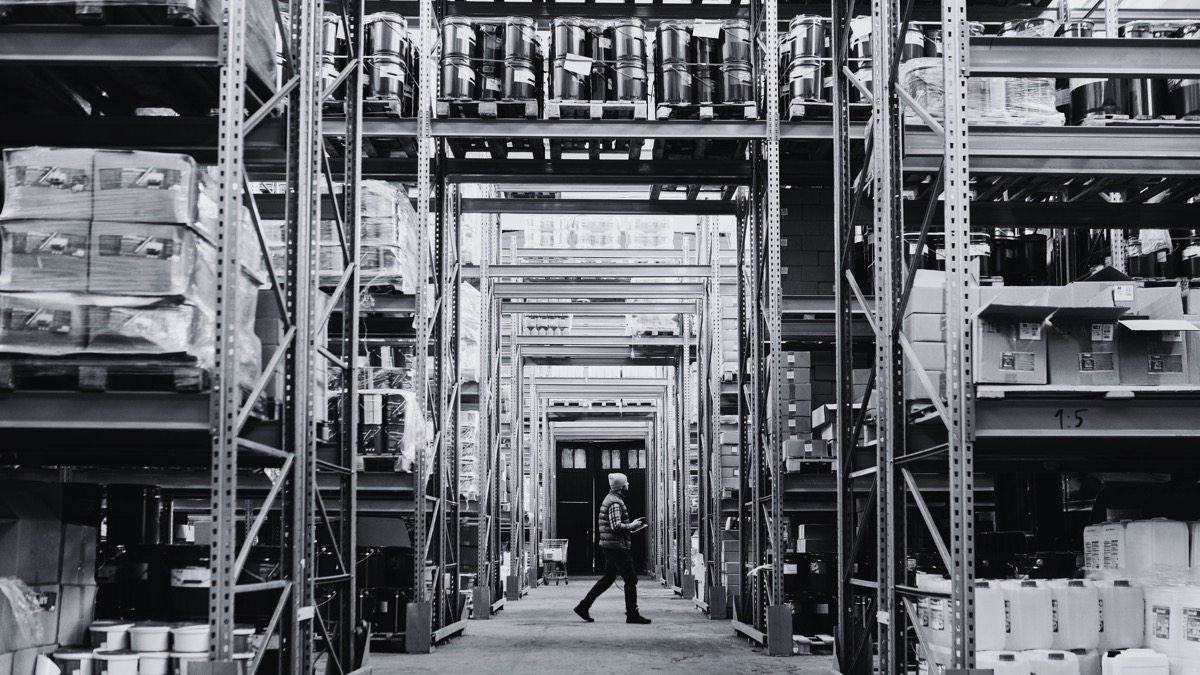 Wholesale and distributionProtect stock in the warehouse and on the road, and sell on credit terms without carrying the bad debt.See more →
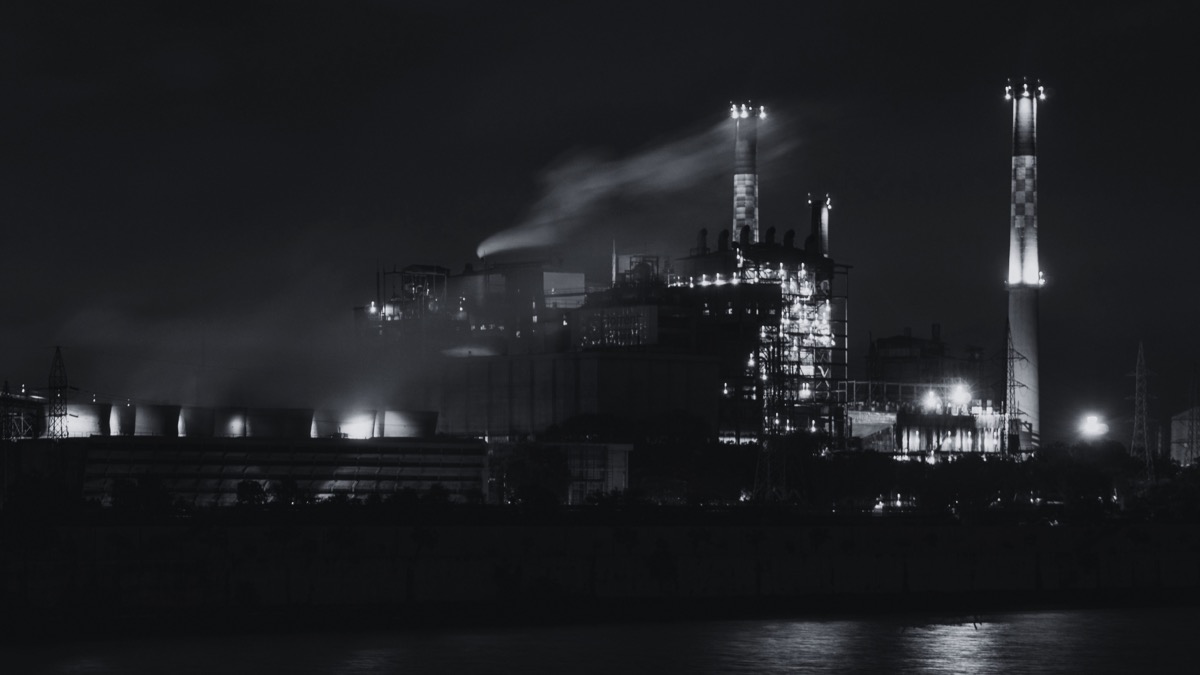 Energy and chemicalsSecure capacity for high-consequence sites, contain environmental liability, and keep income insured through every shutdown.See more →
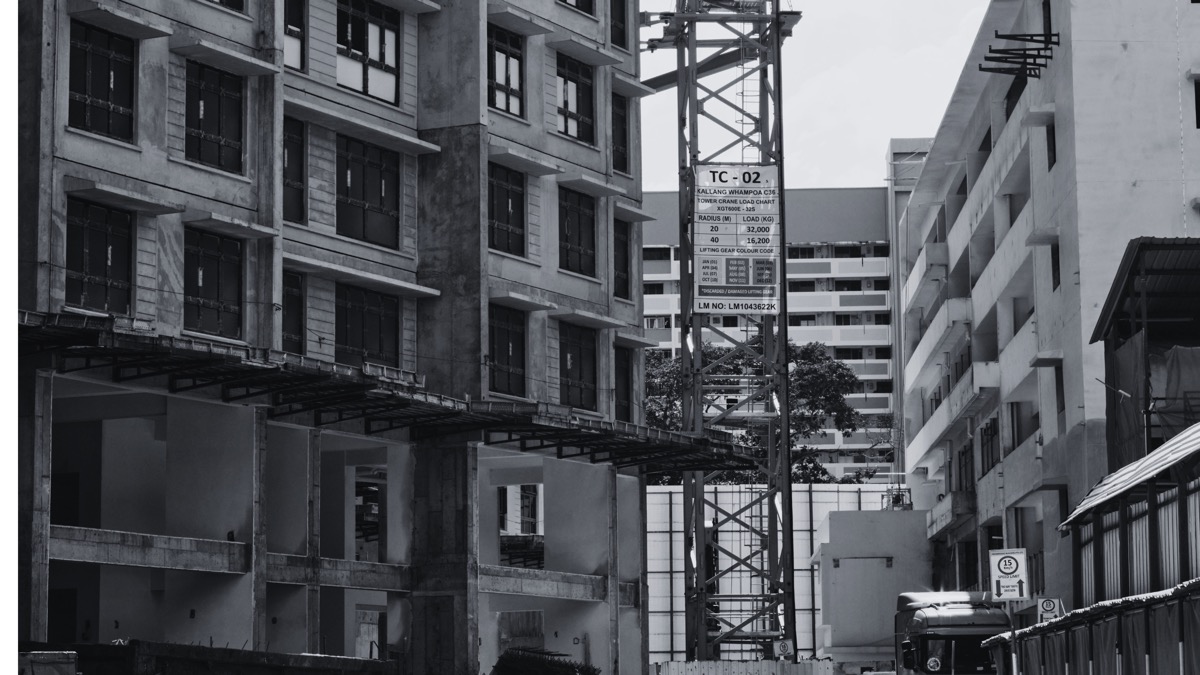 Built environmentWin tenders with the right cover in hand, protect every project from groundbreaking to handover, and keep workers compliant.See more →
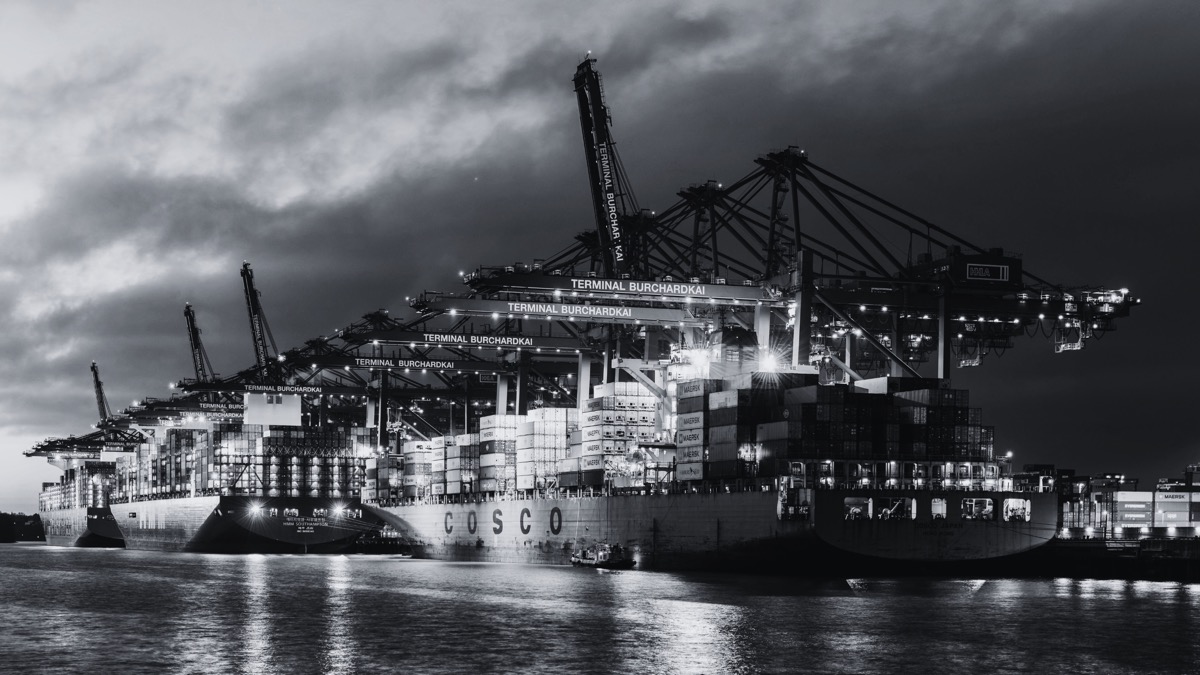 Logistics and freightKeep cargo moving through every handover, cover the fleet and the warehouse, and settle claims before the next shipment.See more →