Coverage for logistics and freight companies
Logistics businesses carry liability at every node of the supply chain, from the warehouse to the vessel to the final mile. TRS places cover across the full cargo journey, fleet operations, and third-party liability, structured specifically for Singapore's role as a major global trade hub.
Key exposures
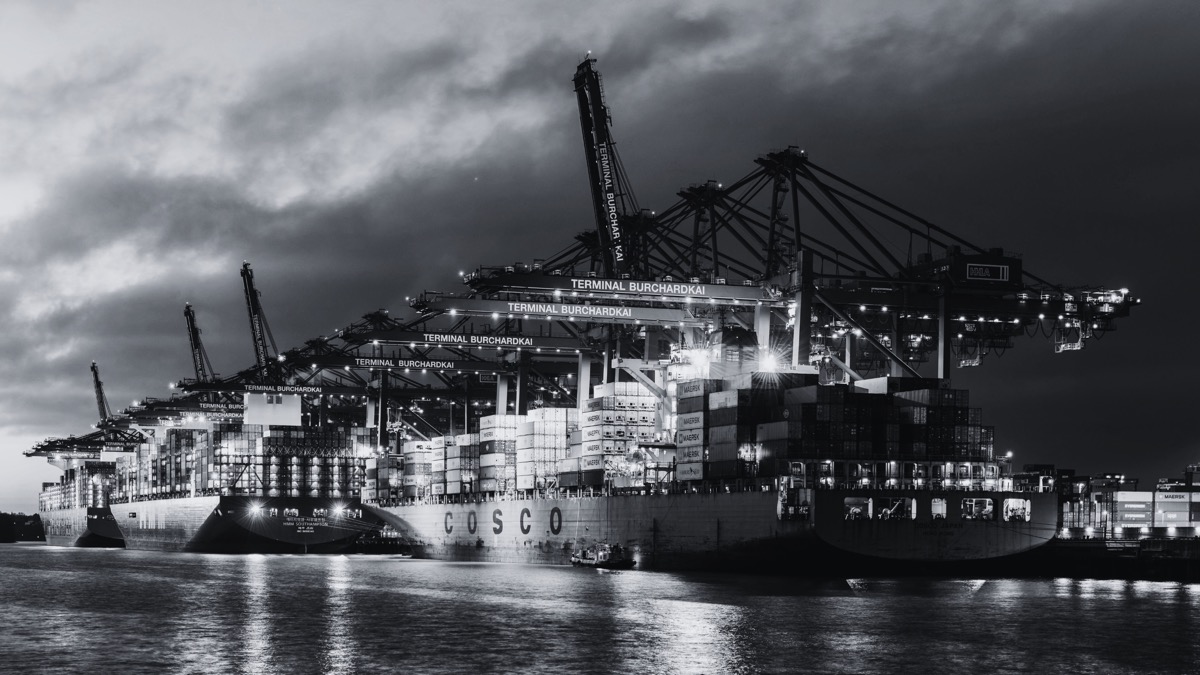
All-risk cargo cover from origin to destination including sea, air, road, and rail with flexible single-transit and open-policy options.
Essential protection covering legal liabilities to cargo owners arising from accidental loss, damage, or delayed delivery while goods are in your custody and control.
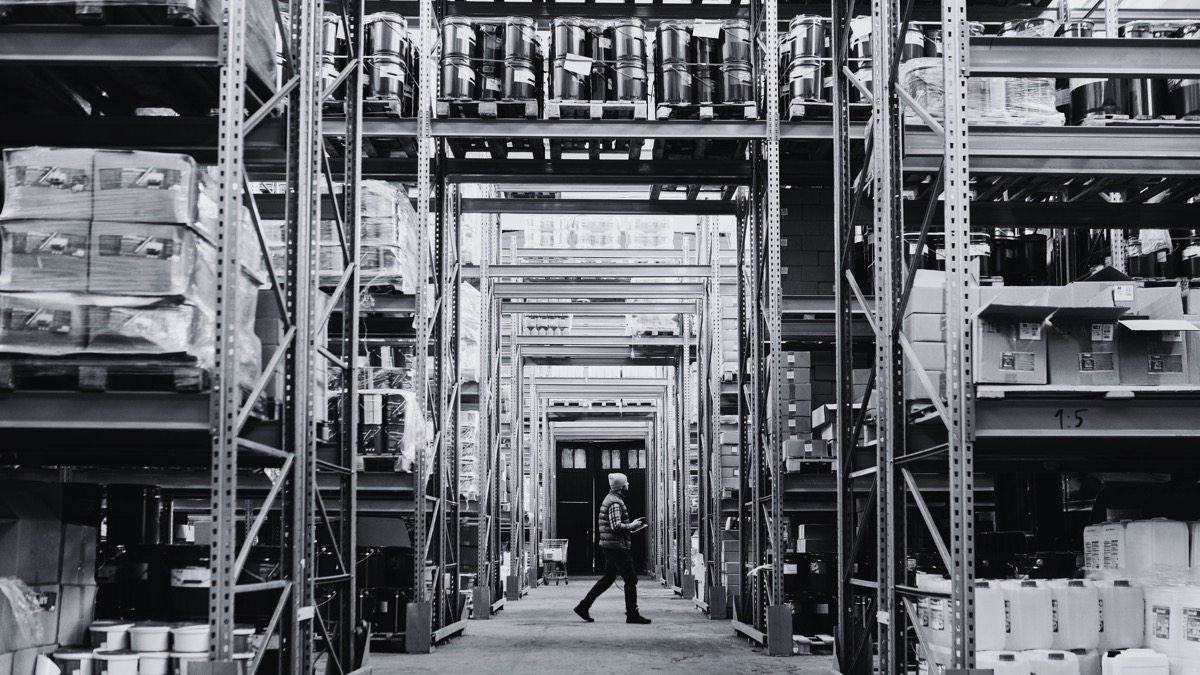
Robust physical asset protection for goods held in storage against fire, flood, structural theft, and accidental inventory damage, including customer-owned stock.
Comprehensive motor fleet coverage designed for delivery vehicles, prime movers, and prime equipment, offering unlimited third-party injury protection.
The sector
Logistics companies in Singapore buy insurance because a customer, a port operator or a regulator asks for it. Shipper contracts demand proof of cargo liability cover. Prime movers and vans cannot be used on the road without third-party motor insurance under the Motor Vehicles (Third-Party Risks and Compensation) Act. Drivers, packers and warehouse crew do manual work, so MOM requires work injury compensation insurance for each of them regardless of pay. Each non-Malaysian Work Permit holder also needs a S$60,000 medical policy and a S$5,000 security bond.
The programme is not a single policy. Cargo insurance pays the owner of the goods; forwarder liability pays claims against the operator; motor fleet covers the vehicles; work injury compensation covers the crew. Each is bought on a different basis: cargo on an open cover declared by shipment or turnover, liability on an annual limit with a deductible (the amount the insured pays first). The gap is usually goods in the warehouse between legs, or a sub-contracted haulier whose cover was never checked. The broker maps every handover and places each piece.
Named risks
The programme
Questions
No. Forwarder liability pays claims made against the operator for its own errors, up to the limit in its trading conditions. The cargo owner recovers the full value only from a cargo policy. If the customer has none, the forwarder can arrange cargo cover as agent under its open cover and charge for it.
No. The only compulsory covers for a logistics company are third-party motor insurance for each vehicle and work injury compensation for employees. Cargo cover is a contractual matter between the shipper, the forwarder and the carrier. Most shipper contracts and bank letters of credit require it.
Yes. MOM requires work injury compensation insurance for all employees doing manual work regardless of salary, and for non-manual employees earning S$2,600 or less a month. Drivers, packers and forklift operators are manual workers. From 1 January 2021 the policy must come from an MOM-designated insurer. Failure to insure carries a fine of up to S$10,000, jail of up to 12 months, or both.
At least S$60,000 a year per worker for inpatient care and day surgery. For policies from 1 July 2023 the insurer pays 75 per cent and the employer 25 per cent of claims above S$15,000. From 1 July 2025 exclusion clauses are standardised, premiums are set in two age bands, and insurers pay hospitals directly. The cost cannot be passed to the worker.
Either by shipment, with a declaration per consignment, or by annual turnover, with a deposit premium adjusted at year end. The insurer sets a limit per conveyance and per location. Turnover declarations suit high-volume forwarders; per-shipment declarations suit project cargo and high-value consignments.
Sources: MOM, work injury compensation insurance, MOM, types of compensation, MOM, Work Permit medical insurance, Motor Vehicles (Third-Party Risks and Compensation) Act 1960
Products
Proven in action
Deep domain expertise
Next step
A broker reads your current schedule against your operations and replies within two working days.