Marine cargo insurance

Seamless protection across global transit corridors

Classic international transit coverage safeguarding merchandise, commodities, and cargo while transported via ocean vessels, air freight, or international road networks.

Coverage

What marine cargo insurance covers

Institute Cargo Clauses (A)

The highest tier of "All Risks" transit coverage, shielding cargo against theft, non-delivery, handling damage, and heavy weather.

General Average Contributions

Covers mandatory financial contributions legally assessed against cargo owners during maritime emergencies and vessel salvage.

Loading & Unloading Exposure

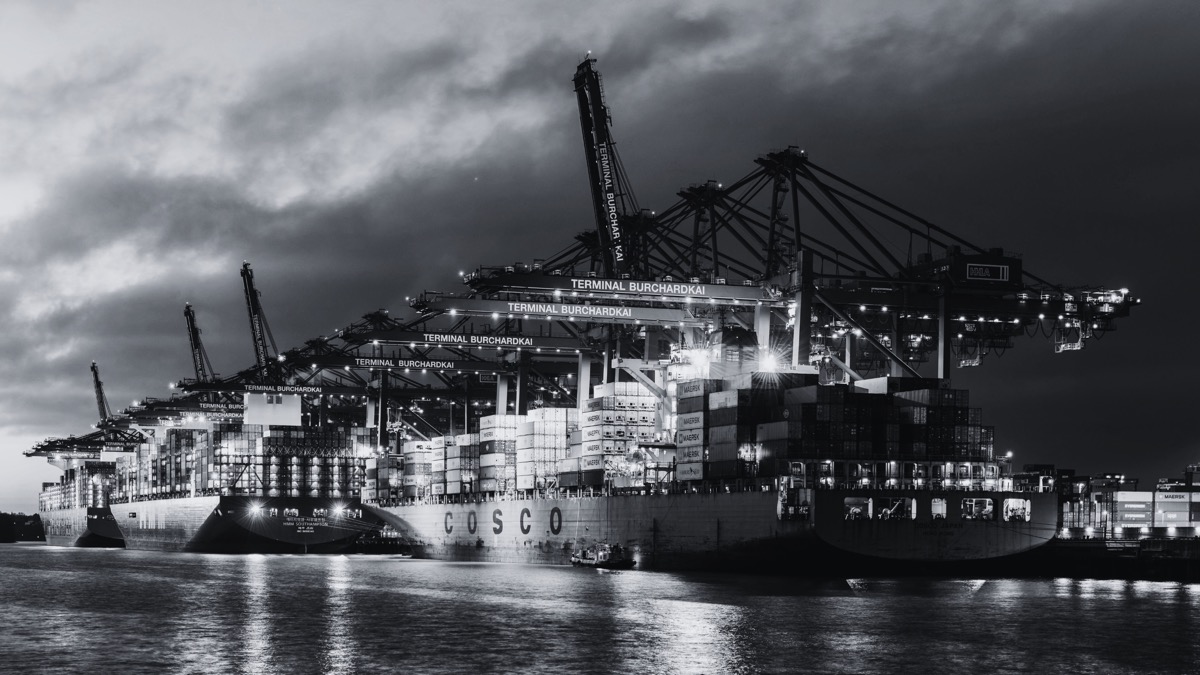
Protection extending to physical damage sustained during transit handovers, crane transfers, and portside container handling.

Consequential Port Expenses

Coverage for unexpected warehousing, re-routing, and temporary storage fees resulting from a disrupted maritime voyage.

The cover

Marine cargo insurance in Singapore

Marine cargo insurance pays for physical loss of or damage to goods while they move by sea, air or road, from the seller's warehouse to the buyer's. Singapore importers, exporters, commodity traders and freight forwarders buy it because the carrier's liability is capped by convention, a letter of credit calls for an insurance certificate, or the sale contract puts the risk of the voyage on them. Cover follows the goods through loading, transhipment and discharge.

It is not cover for late delivery, loss of market or the carrier's own liability. Cover is bought on Institute Cargo Clauses (A), (B) or (C), for a single shipment or on an open cover that insures every declared shipment for a year, with the sum insured usually set at the CIF value plus 10%. The broker matches the clauses to the goods and the Incoterms, places the open cover, issues certificates, and runs claims, general average and recoveries against carriers.

Who buys it

  • Importers buying on FOB, FCA or EXW terms, where the buyer carries transit risk.
  • Exporters selling CIF or CIP, who must insure the shipment for the buyer.
  • Commodity traders moving metals, grain, oil or chemicals through Singapore.
  • Freight forwarders and 3PLs offering shipment cover to their customers.
  • Manufacturers importing machinery or project cargo that needs lifting and installation.
  • Banks and trade financiers requiring an assigned certificate under a letter of credit.

What the insurer needs to quote

  • Description of goods, packing and average value per shipment
  • Annual shipment value split by sea, air and road
  • Main origins, destinations and transhipment ports
  • Incoterms used for purchases and for sales
  • Storage points and any period goods sit at port or in 3PL warehouses
  • Loss record and any current cargo policy wording

Price and terms

What moves the premium

Commodity and packing
Fragile, theft-attractive or temperature-sensitive goods rate higher than containerised dry cargo; poor packing is excluded, not rated.
Clauses chosen
ICC (A) all-risks cover costs more than (B) or (C) named perils; war and strikes clauses add a separate rate by voyage.
Route and mode
Air freight rates lower than sea; voyages through high-risk waters or transhipment hubs add war premium and survey conditions.
Sum insured and limits
Value per conveyance drives capacity; Singapore facilities quote per-shipment limits from US$10 million (Marsh CargoSecure) to US$25 million (Chubb).
Annual turnover and declarations
Open covers price a rate on declared annual shipment value, adjusted at year end on actual declarations.
Claims record
Past transit losses, especially theft and non-delivery, set the deductible and whether survey warranties apply.

At renewal

Three mistakes we see most often

Relying on the seller's CIF cover
Under Incoterms 2020 a CIF seller only has to buy ICC (C), which covers fire, sinking, collision and jettison but not theft, water damage or handling loss. Buy your own ICC (A) cover, or a difference-in-conditions policy, for anything above basic risk.
Letting the transit clause run out
Cover ends 60 days after discharge at the final port, or earlier when goods go into storage for allocation or distribution. Declare storage periods and arrange a storage extension before the goods arrive.
Treating carrier liability as insurance
A sea carrier's liability under the Hague-Visby Rules is 666.67 SDR per package or 2 SDR per kilogram, whichever is higher; an airline's is 26 SDR per kilogram. Insure the goods at full value and let the insurer pursue the carrier under the policy's recovery clause.

Questions

Questions buyers ask

What is the difference between Institute Cargo Clauses A, B and C?

ICC (A) covers all risks of physical loss or damage except the listed exclusions, so the insured only has to show a fortuitous loss. ICC (B) and (C) cover named perils only. (C) covers fire, explosion, stranding, sinking, collision, discharge at a port of distress, general average and jettison. (B) adds earthquake, lightning, washing overboard, entry of sea or river water and total loss of a package during loading. Theft, non-delivery, rain and handling damage need (A).

Who insures the goods under each Incoterm?

Only CIF and CIP oblige the seller to insure, and the cover is for the buyer's benefit. Incoterms 2020 sets CIF at ICC (C) as the minimum and CIP at ICC (A), for the contract price plus 10%. Under EXW, FCA, FOB and CFR the buyer carries transit risk and buys its own policy. Under DAP, DPU and DDP the seller carries the risk to delivery and should insure, though the rules do not require it.

Open cover or single shipment: which should a regular importer use?

A single-shipment policy suits occasional consignments: one voyage, one certificate, paid up front. An open cover suits regular shippers: it insures every shipment within agreed goods, routes and limits for 12 months, with shipments declared periodically and premium adjusted on actual value. It removes the risk of an undeclared shipment travelling uninsured and lets the broker issue certificates for letters of credit as shipments are booked.

What is general average and why does the policy mention it?

General average is a rule of maritime law: when the master sacrifices cargo or incurs expense to save the ship, every cargo owner contributes in proportion to the value saved. The carrier will not release goods until each owner posts security. ICC (A), (B) and (C) all cover the contribution, and the insurer issues the general average guarantee so the goods are released.

Does cargo insurance cover goods in storage or at a port?

Only while storage is part of the ordinary course of transit. Under the 2009 clauses cover attaches when goods are first moved in the warehouse for loading and ends on unloading at the final warehouse, when goods go into storage for allocation, or 60 days after discharge at the final port, whichever is first. Longer storage needs a declared extension or a stock throughput policy.

How is a cargo claim handled and what proof is needed?

Notify the broker and the carrier at once, keep the damaged goods and packing, and ask for a joint survey before anything is moved. The claim file needs the policy or certificate, invoice, packing list, bill of lading or air waybill, the survey report and the carrier's reply to a written claim. In Sizer Metals v Chubb [2022] SGHC 51 the court held the insured must show, on the balance of probabilities, that the loss occurred inside the insured transit.
Sources: Lloyd's Agency cargo claims manual (Institute Cargo Clauses 2009), ICC Incoterms 2020, Hague-Visby Rules, Article IV rule 5 (UK COGSA 1971 Schedule), FIATA: Montreal Convention limits from 28 December 2024

Deep domain expertise

Placed for the businesses that carry this risk

How TRS places it

From the first review to every claim after it

1

Review

A named broker reads the current policy against how the business runs today and lists the gaps.

2

Market

TRS takes the risk to the insurers with appetite for it and sets the quotes side by side: premium, deductibles, exclusions.

3

Manage

The same team handles mid-term changes, renewals and the claim, from first notice to settlement.

Motor, marine and logistics

More in motor, marine and logistics

Next step

Find out what the right coverage looks like for you.

A broker reads your current schedule against your operations and replies within two working days.