Who must I insure under WICA?
All employees doing manual work, whatever their salary, and all non-manual employees earning S$2,600 a month or less. The salary test uses basic pay and excludes overtime, bonus, annual wage supplement, productivity incentives and allowances. Local and foreign employees count equally. Other employees may be insured at your choice, but a valid WICA claim from them must still be paid.
What are the compensation limits in 2026?
For accidents from 1 November 2025: medical expenses up to S$53,000 or one year from the accident, whichever comes first; permanent incapacity between S$116,000 and S$346,000 scaled by the percentage of incapacity; death between S$91,000 and S$269,000. Medical leave wages are full average monthly earnings for 14 outpatient days or 60 hospitalisation days, then two-thirds up to one year.
What happens if I have no policy?
Failing to insure is an offence with a fine of up to S$10,000, jail of up to 12 months, or both. The compensation itself is still owed. MOM assesses the claim and serves a notice of assessment on the employer, who pays from company funds.
Does the policy cover a lawsuit by the employee?
WICA compensation and a common law claim are alternatives; an employee may sue for negligence instead of claiming under WICA. Policies in Singapore add a common law section for this, with limits in insurer product sheets of S$10 million to S$15 million. Check the limit matches the contract or tender requirement before you sign.
Is an accident overseas or at home covered?
Yes, where it arises out of and in the course of work. MOM lists accidents on an overseas assignment and accidents during agreed work-from-home or flexible arrangements as eligible. Travel to and from work on normal commuting is not, unless it is company transport. The employer still reports within 10 days.
How fast must I pay after an accident?
Medical leave wages are due by the next payday after you receive the original medical certificates, even while the insurer is still processing. Medical bills are paid direct to the hospital, or reimbursed to the employee within 14 days of receiving the original bill. The insurer refunds you. The employee can claim up to one year after the accident.
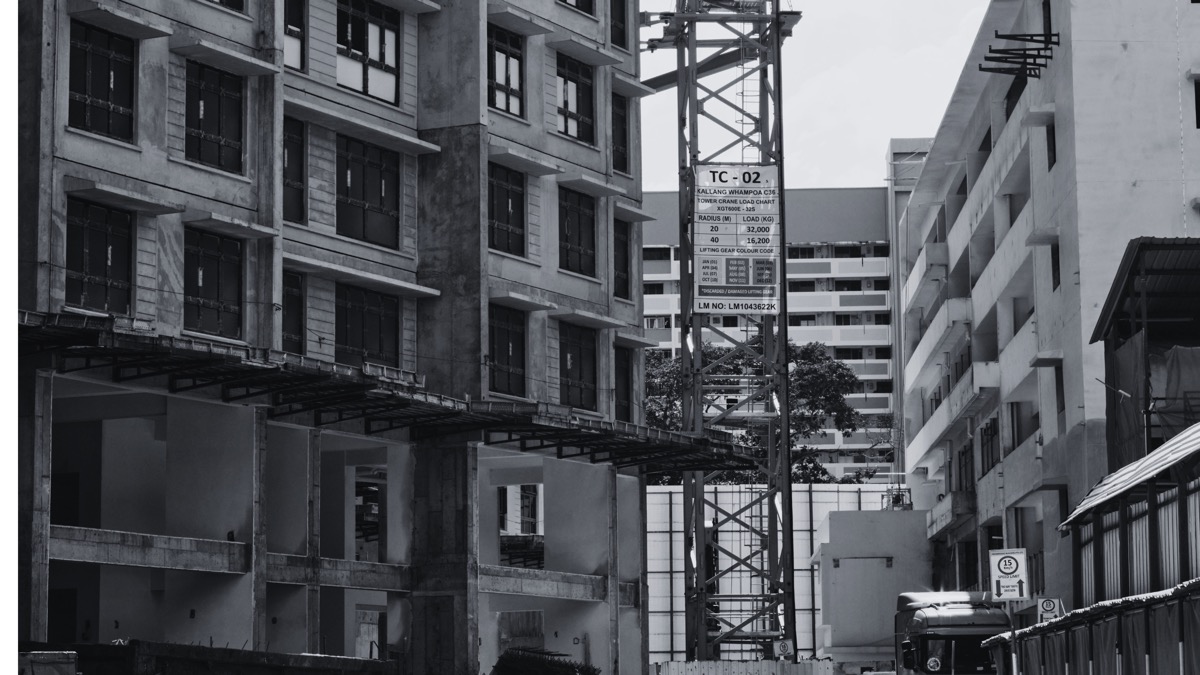 Built environmentWin tenders with the right cover in hand, protect every project from groundbreaking to handover, and keep workers compliant.See more →
 ManufacturingKeep the line running after a breakdown, defend against product liability, and recover lost income while the plant is down.See more →
 Logistics and freightKeep cargo moving through every handover, cover the fleet and the warehouse, and settle claims before the next shipment.See more →
 Energy and chemicalsSecure capacity for high-consequence sites, contain environmental liability, and keep income insured through every shutdown.See more →
 Wholesale and distributionProtect stock in the warehouse and on the road, and sell on credit terms without carrying the bad debt.See more →